Pack surfboards and travel gear for island conditions
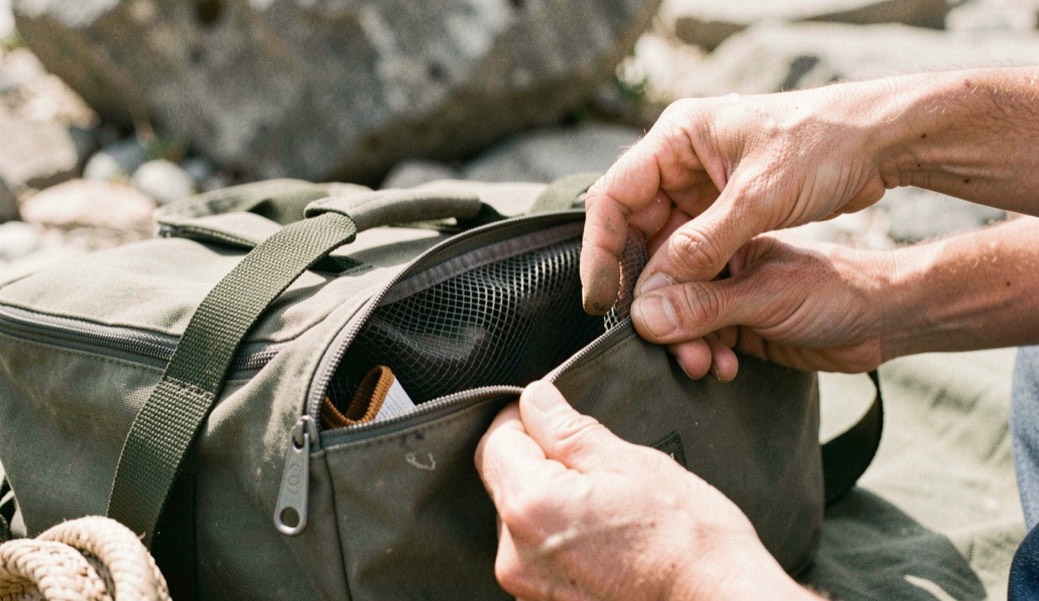
Pack surfboards and travel gear for island conditions. A clear working guide to board bag, sun protection, and repair kit.
- Published: 19 August, 2026
- 610 words
- 3 min read

Good results usually come from a repeatable decision process rather than one lucky attempt. Here, board bag defines the outcome; sun protection explains the real working conditions; and repair kit gives you a practical checkpoint. Keeping those three ideas separate makes it easier to diagnose failures and improve without changing everything at once.
Preparation travels well beyond the board bag: preparing a shore outing applies the same discipline to marked trails, marine forecasts and fast current.
Prepare before you start
Review the project, environment, or workflow before committing code or money. Write down constraints, responsible people, deadlines, and the smallest version of success. Check safety requirements, permissions, backups, and fallback options. A short written brief prevents scope drift and gives everyone the same standard when pressure increases. Fabric deserves the same scrutiny: anyone comparing the outer shell of a board bag will recognise the trade-off behind dacron sailcloth weight, where a heavier cloth buys durability and costs you carry weight.
Kit choices change with the water you travel to: fishing the Moy at Ballina packs beats, permits and a town pool into the same planning frame.
Step by step method
- Define the desired outcome in one sentence.
- Measure the starting conditions instead of guessing them.
- Build or test the smallest complete version first.
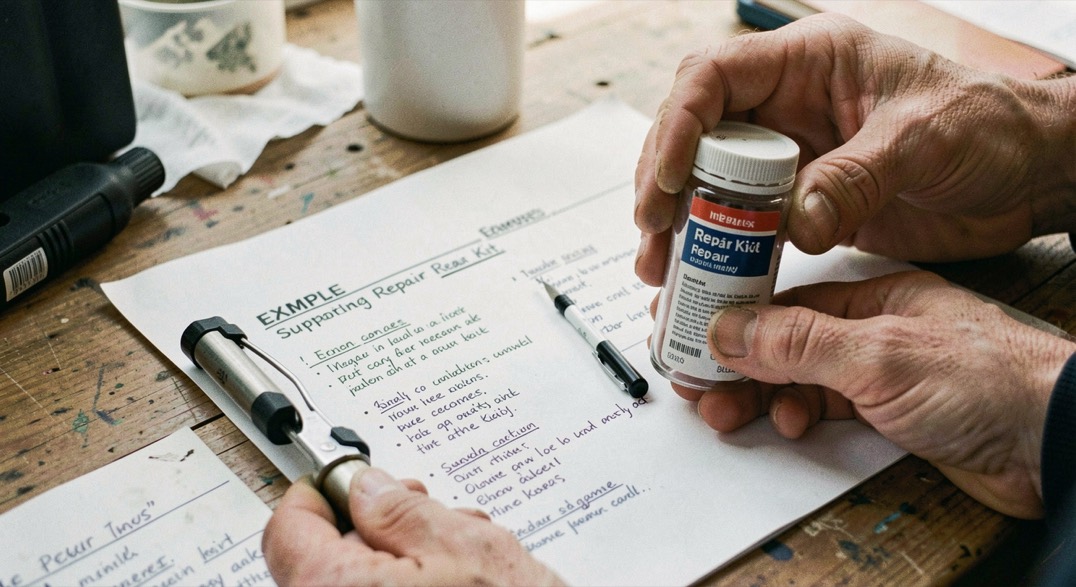
- Record evidence around repair kit, including dates, versions, and assumptions.
- Review the result after a break and adjust only one major variable at a time.
Judge the result honestly
Evaluate against the original goal, not against an idealized version invented afterward. Ask whether the main point is obvious, whether cost and time were reasonable, and whether another person could repeat the process from your notes. If feedback is vague, request comments on clarity, reliability, comfort, durability, or value rather than asking for a general opinion.
Judgement built at the water's edge serves the garden too: a small plot, measured and fed weighs surface in rods, compost labels and winter cover.
Observe first, build small, document honestly, and adjust with evidence.
Documentation habits protect more than gear: the administrative route in stages records assessment, eligibility, support plans and appeals.
Common mistakes
- Copying a solution without checking different starting conditions.
- Treating one success as proof that every variable was understood.
- Choosing complexity when a smaller test would answer the question sooner.
- Failing to save versions, dates, permissions, and maintenance notes.
Boosy editorial desk · Surf safety guides
Careful packing rewards the same patience at the bench: choosing a first model kit weighs scale, part count and the season a box commits you to.
Latest articles
A repair kit earns its place in the bag only if you know how to use what is inside it. Spare cord is the lightest item you can carry, yet it fails when it is chosen by guesswork: the wrong diameter slips, the wrong fibre stretches or rots, and a knot tied once and never loaded tells you nothing. Before you fly, read up on cord types and their strengths, then practise the knots and test a repair at home, on the ground, with the same load it will meet on the island.
Packing for island conditions rewards the same logic that governs any gear choice: the surface sets the build. A board bag, sun protection and a repair kit cover the demands of warm salt water, sharp reef and long walks over hot sand. The principle travels well beyond surfing. Just as a runner picks shoes for asphalt and a hiker picks trekking boots for mountain paths, the ground underfoot decides what belongs in the bag. Read that piece before your next kit decision, and pack for the terrain you will actually meet.
Packing for island conditions and moving around once you arrive are two halves of the same trip. A board bag, sun protection and a repair kit cover the surf side, but the hours between sessions still need a plan, especially if you are based away from the break and relying on a bike. The same practical thinking applies to choosing a quiet route, where rain and cold kit, maintenance habits and what employers and cities provide are set out for commuters. Read it alongside this page if your surf travel involves daily riding rather than a hire car.