A small plot, measured and fed
The measure-first habit that steadies a first surf session does the same for a first garden: know the surface, read the labels, feed the ground, and let winter do its work.
- Published: 14 September, 2026
- 1014 words
- 5 min read
The short answer: a small plot is run on two disciplines, measuring and feeding, and both are learnable in a weekend. Measure the ground once, honestly, in whatever units the site uses, and write it down. Then feed it on a rhythm: compost in, cover through winter, and leave the worms the quiet months. For the full working notes on an actual small plot, Notes from W4 is an allotment and small-garden notebook from west London that writes down the measurements, the species lists and the arithmetic in plain English, which is exactly the register this kind of work needs.
Why publish a gardening note on a surf site? Because the skill is the same one we drill into beginners: stop guessing, measure the thing you are working with, and keep a written note of what you did. A learner who measures a plot in October reads a sandbar better in March.
Measure the ground in its own units
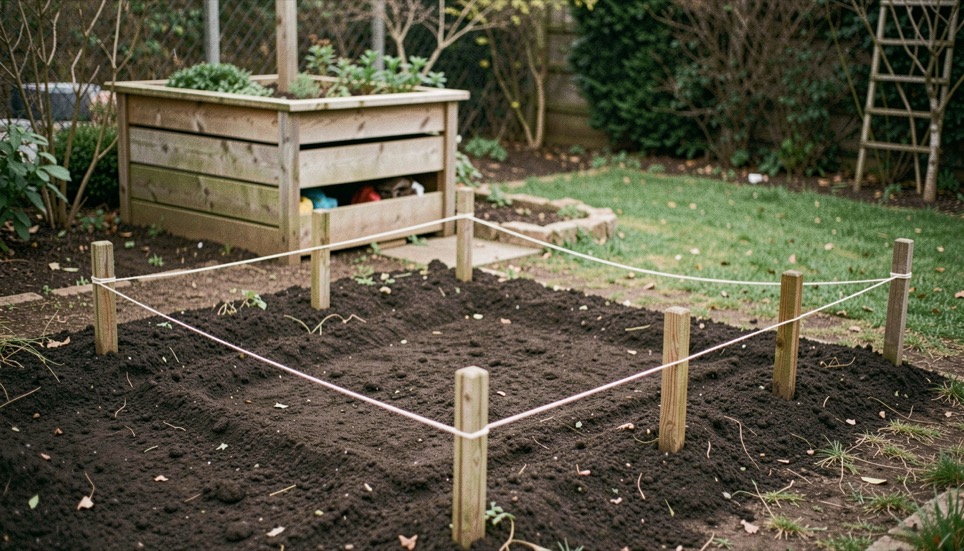
Older allotment documents measure ground in rods, and the unit still turns up on tenancy paperwork. The arithmetic is worth doing once, slowly: a rod is five and a half yards, a square rod is thirty and a quarter square yards, and a ten-square-rod plot works out to 302.5 square yards, about 253 square metres of ground you will actually be digging. The number matters less than the act of producing it: a plot you have paced and written down is a plot you can plan, the way a break you have watched for twenty minutes is a break you can read.
The same notebook takes the plot's other fixed facts: which way the shade falls in the afternoon, where the wet corner sits, what the last holder grew. Write them once and they stop being surprises.
Feeding it: labels, heaps and trenches
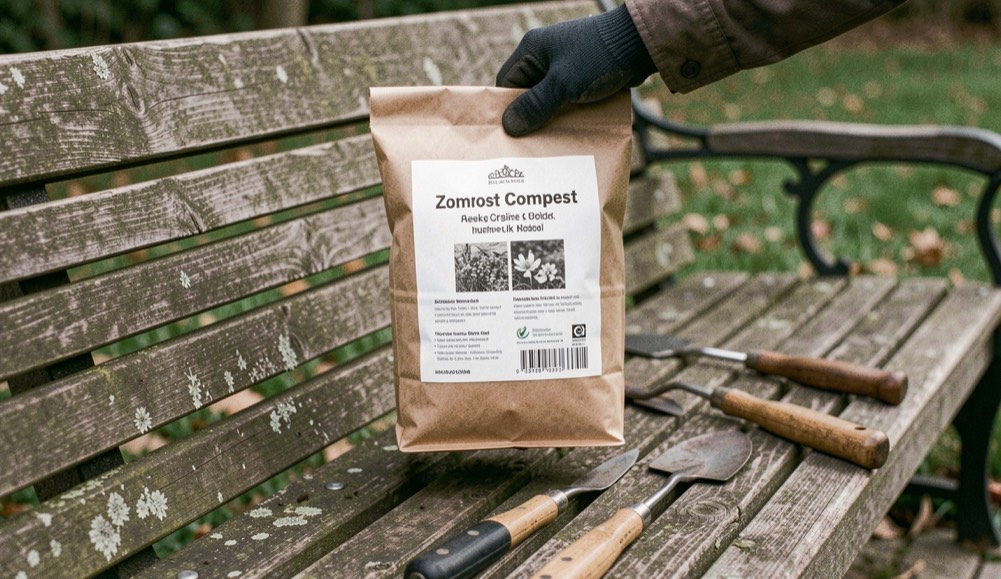
A bag of compost or fertiliser is a promise printed in small type, and reading the label is the skill. Seed compost is low in feed because seedlings burn; potting composts carry more; a fertiliser label states its nitrogen, phosphorus and potassium as numbers, and those numbers are the whole product. The name on the front is decoration; the analysis on the back is the contents. Buy for the analysis and the plot gets what it needs instead of what the packaging wants to sell. The John Innes numbers on potting composts work the same way: the number is the feed strength, and a seedling and a tomato ask for different ends of that ladder.
Then the material itself. Compost made on the plot comes two ways: a heap, which is a pile turned when you remember it, and a trench, which is a spade's depth of ground opened, filled with kitchen waste and closed again over winter. The heap is faster and keeps the ground tidy; the trench feeds a specific bed and asks no turning. Both work. What fails is the half-measure: a heap that is never turned, or a trench dug so late that the soil never settles before sowing.
The year is a sequence, not a calendar
The mistake a new plot holder makes is to work by the month on the seed packet. A month is not a growing condition: the same week means different things on a south-facing slope and in a frost pocket two streets away. The plot's own notebook says the year belongs to tasks instead: measuring and marking in the quiet months, covering bare ground before winter, filling the trench while the kitchen keeps producing, sowing when the soil and not the date says so, and showing what the year produced when the local produce show comes around. That ordering is worth copying because it is the one the ground actually keeps.
It is also the ordering a surfer already trusts. Nobody paddles out because the calendar says Tuesday; the conditions say so or they do not. A plot read the same way, condition first and date second, wastes far less seed and far less hope.
Winter is a working season
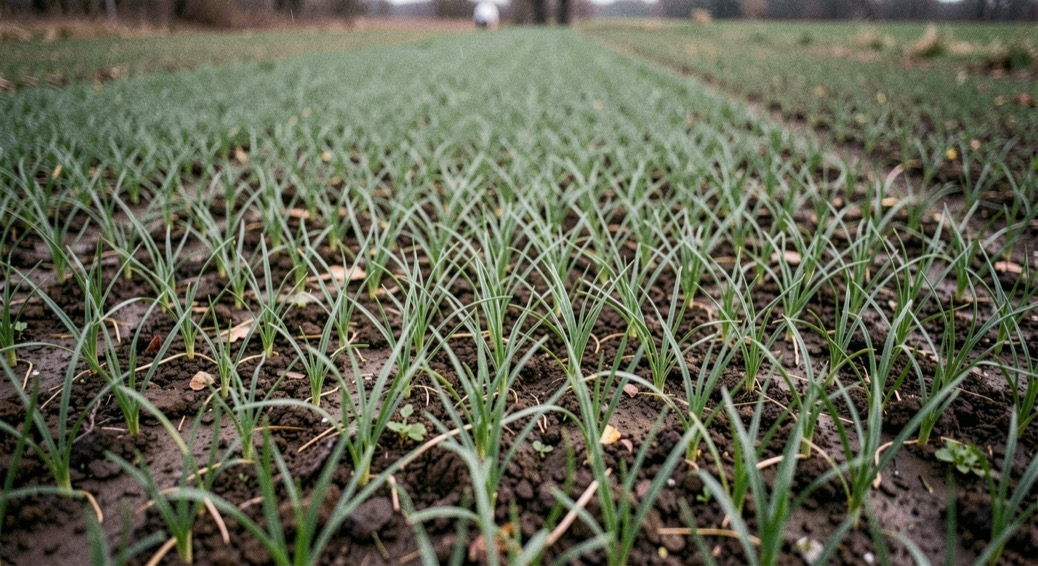
Bare soil is a loss: rain pans the surface, nutrients wash through, and the plot comes back poorer in spring. The fix is a green manure, and the honest one for cold months is grazing rye, a cereal sown in autumn that holds the ground, keeps its nutrients, and is cut and dug in before the spring beds. The organic growing charity Garden Organic has published green-manure guidance for decades and is the reference worth reading before choosing what to sow.
Under the cover, winter belongs to humus and worms. Humus is the dark, stable fraction that compost becomes, and it is what turns sand into soil that holds water and clay into soil that drains. Worms do the transport for free, dragging organic matter down and leaving channels the roots will follow. The winter jobs are therefore quiet ones: keep the heap covered, keep the trench filled, leave the worms alone, and trust that a plot fed in winter asks less of you in April.
Judge the season honestly
A small plot repays a written review. What did the measured surface actually produce, which bags earned their label, did the rye come back out of the ground cleanly, and where did the plan drift from what the ground allowed? The review is one page, written once, and it is what makes the second season cheaper than the first. That is the same closing ritual we ask of a surf trip: conditions, decisions, result.
Measure once, feed on a rhythm, cover the winter, and let the written note do the remembering.
Common mistakes
- Planning beds without ever pacing or writing down the real surface.
- Buying compost by the picture on the front instead of the analysis on the back.
- Leaving beds bare through winter, which spends the soil instead of keeping it.
- Digging green manure in too late for it to rot before sowing.
- Feeding enthusiastically in spring and forgetting that winter is when the ground is built.
Boosy editorial desk · Surf safety guides