How Surface Decides Sports Shoe Build
The surface you play or run on decides almost everything about a sports shoe: the outsole pattern, the midsole density, the height of the upper and the stiffness of the plate. Asphalt rewards cushioning and smooth rubber, grass rewards studs that penetrate and release, and mountain paths reward grip, protection and a sole stiff enough to edge on rock. Buy for the ground under you, not for the colourway.
- Published: 15 September, 2026
- 1361 words
- 7 min read
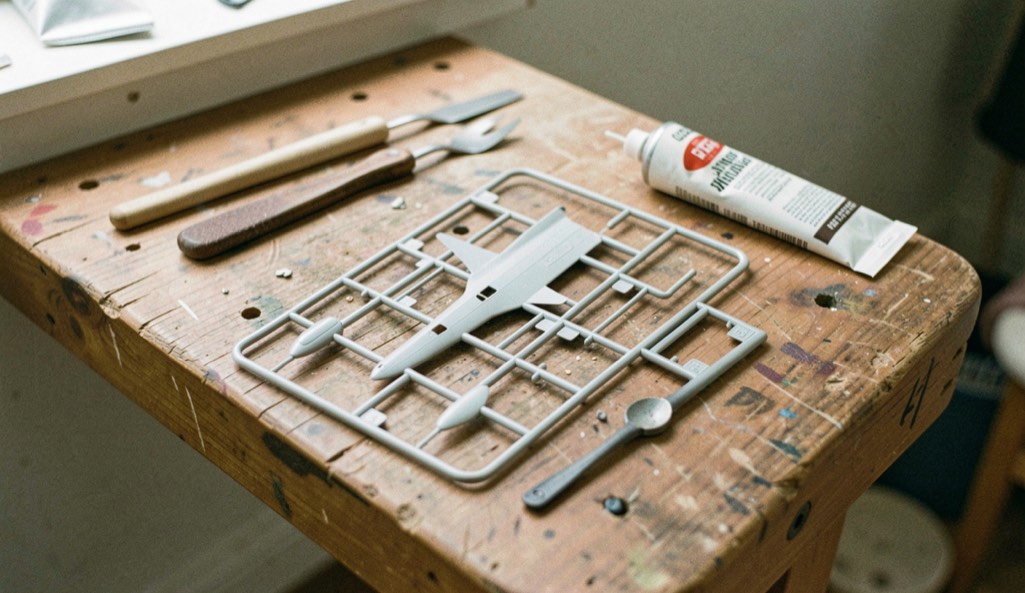
What changes between a road shoe, a studded boot and a trail boot
A road running shoe is built around repeated impact on a hard, flat, predictable surface. The midsole is the thickest part of the shoe, usually a foam that compresses and returns, because asphalt sends the shock straight back up the leg. The outsole is a thin layer of abrasion-resistant rubber with shallow, wide lugs or none at all, since there is nothing to bite into. The upper is light and breathable, often mesh, because the foot needs to shed heat over long efforts and does not need protection from roots or rocks.
A football boot built for grass, the kind called korki in Polish, works the opposite way. The outsole carries fixed studs, usually six to twelve depending on the model, and those studs exist to penetrate soft ground and hold. The midsole is minimal or absent, because the foot needs to stay low and close to the ground for balance and quick direction changes. The upper is thin and tight, often leather or a synthetic skin, to keep the ball feel and to stop the foot sliding inside the shoe when you plant and turn.
A trekking boot for mountain paths is a third logic again. The outsole has deep, aggressive lugs with a heel brake, because the surface is loose, wet, angled and unpredictable. The midsole is stiffer than a running shoe, sometimes with a shank or a plate, to protect the sole of the foot from sharp stones and to let you edge on rock without the shoe folding. The upper is higher and more protective, often leather or a leather and mesh mix, because the ankle needs support on uneven ground and the foot needs to stay dry in mud and shallow water.
If you want a Polish-language reference that goes deeper into these categories, including running, football, trekking and everyday shoes, the independent magazine Buty w Ruchu covers the subject in detail, and its pages on road running shoes for asphalt explain how outsole rubber and midsole foam are chosen for hard, flat ground.
Jakie buty do biegania wybrać na asfalt?
For asphalt, choose a road running shoe with a cushioned midsole and a smooth or lightly treaded outsole. The surface is hard and consistent, so the shoe's job is to absorb impact and return energy, not to grip loose ground. Look for a stack height that matches your weekly distance: a lower stack, often called a racing or tempo shoe, feels fast and close to the ground but punishes long easy runs; a higher stack, often called a daily trainer or a max-cushion shoe, protects the legs over many kilometres but can feel vague when you push the pace.
Outsole rubber matters more than most runners think. On asphalt, a soft, sticky rubber compound wears down quickly, while a harder carbon rubber lasts longer. If you run mostly on wet roads, a slightly softer compound with a shallow herringbone pattern helps, but avoid deep lugs: they squirm on hard ground and wear unevenly. The upper should be breathable mesh, because asphalt running is usually done in warm weather and over long durations, and a hot, sweaty foot blisters faster than a cold one.
Fit is part of the surface question. On asphalt the foot slides forward slightly with each landing, so leave a thumb's width between the longest toe and the front of the shoe. A shoe that is too tight on a hard surface will bruise toenails on descents, and a shoe that is too loose will let the foot rotate and rub. If you have wide feet or a high instep, look for a model with a wider last rather than sizing up, because sizing up adds length without adding width.
Czym różnią się korki od halówek?
Korki and halówki are both football shoes, but they are built for different grounds and that changes the outsole completely. Korki, the studded boots, have fixed studs on the outsole and are meant for natural grass, especially soft or wet grass. The studs penetrate the turf and give traction when you accelerate, stop and turn. On a hard, dry pitch or on artificial turf, the same studs can be uncomfortable and even risky, because they do not sink in and the foot sits on top of them.
Halówki, the indoor football shoes, have a flat, non-marking rubber outsole with a fine tread pattern, sometimes a herringbone or a pivot point. They are meant for smooth indoor courts, futsal halls and sometimes artificial turf, where the surface is hard and flat and studs would be dangerous. The flat sole gives grip through friction and allows the foot to pivot without catching, which matters in small-sided games where you change direction constantly.
A third category, turf shoes, sits between the two: many small rubber studs on a flat sole, for artificial grass and hard natural pitches. The choice is not about prestige, it is about the ground. If you play on a wet grass pitch, korki give you the traction you need. If you play futsal or indoor football, halówki are the correct tool. Wearing the wrong one is the fastest way to slip, twist a knee or wear out a sole in a season.
Jakie buty wybrać na górski szlak?
For a mountain path, choose a trekking boot or a trail shoe with deep lugs, a protective toe cap and a sole stiff enough to edge on rock. The surface is the opposite of asphalt: loose stones, roots, mud, wet rock and steep gradients. Grip comes from lug depth and rubber compound, not from cushioning. A soft, heavily cushioned running shoe will feel comfortable for the first hour and then let stones bruise the sole of your foot and roll your ankle on descents.
Match the boot to the route and the load. A low-cut trail shoe is enough for well-maintained valley paths and fast day hikes with a light pack. A mid-cut or high-cut trekking boot is better for rocky terrain, multi-day routes and heavier loads, because the higher upper supports the ankle and the stiffer sole protects the foot. If the route involves scrambling, look for a slightly stiffer sole and a rand around the toe and heel. If it involves long wet sections, a waterproof membrane helps, but it also traps sweat, so it is a trade-off rather than a free upgrade.
Fit on the mountain is different from fit on the road. Your foot slides forward on descents, so you need a secure heel hold and enough length in the toe box to avoid jamming. Lace the boot properly: a tight heel and a looser forefoot is the usual pattern. Test the boot on an incline in the shop if you can, and wear the socks you plan to hike in. A boot that feels perfect with thin socks can be unbearable with thick ones.
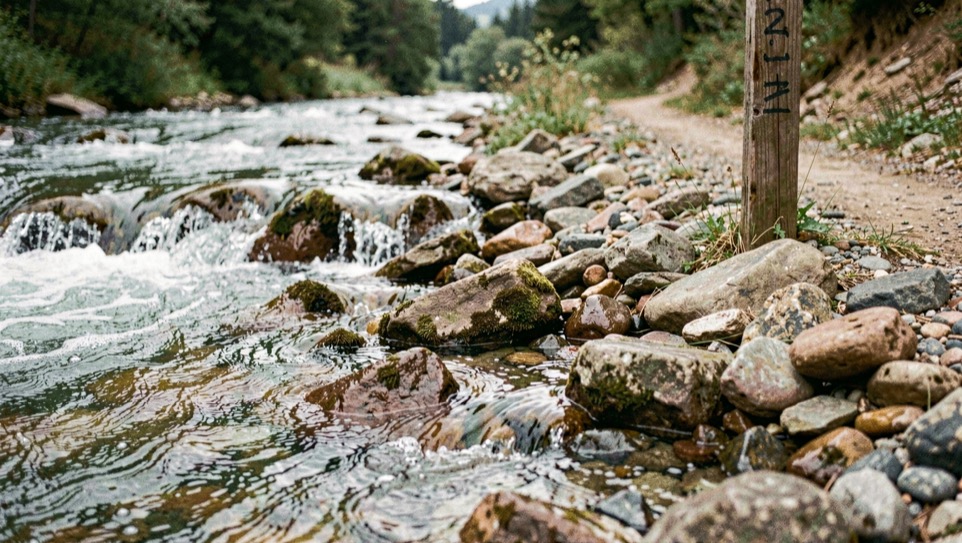

Why the surface is the first question, not the last
Most buying mistakes come from choosing a shoe by brand, colour or price and only then asking where it will be used. The surface sets the outsole, the outsole sets the midsole, and the midsole sets the upper and the fit. A road shoe on a mountain path is dangerous, a studded boot on a hard court is uncomfortable, and a trekking boot on asphalt is slow and heavy. Decide the ground first, then the distance and the load, then the fit. The shoe that matches the surface will feel right from the first kilometre, and it will last longer because it is not being asked to do a job it was not built for.
Boosy editorial desk · Surf safety guides