Travelling to fish a town water: salmon and trout on the Moy
A famous river reads like a famous break: you plan around the water, not around the calendar. How a first fishing visit to Ballina comes together.
- Published: 14 September, 2026
- 1007 words
- 5 min read
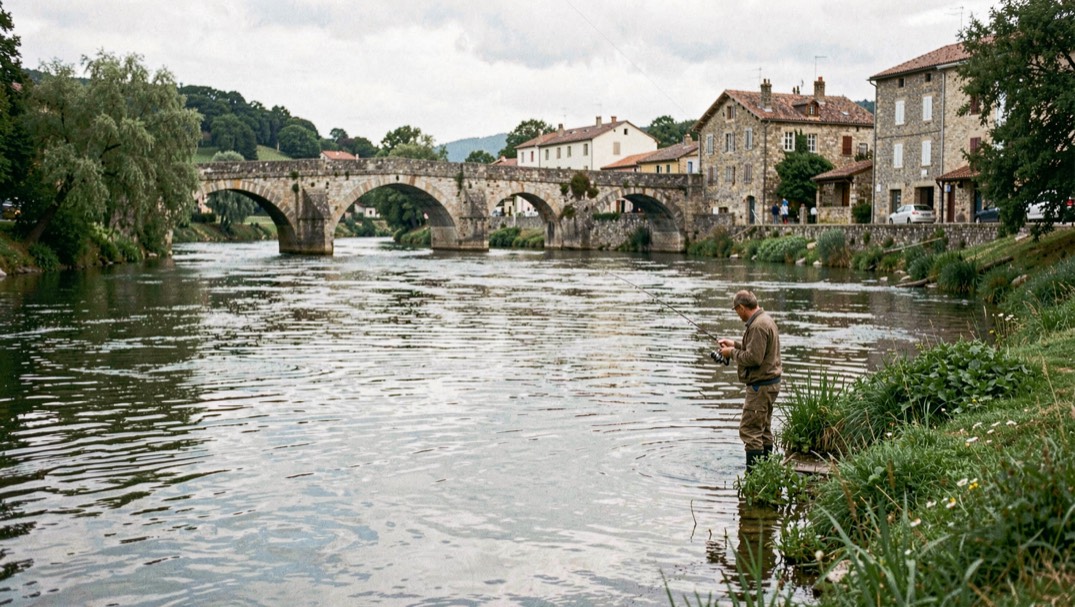
The short answer: treat a named salmon river the way you treat a named reef. You never book dates first and hope the water agrees; you learn which beats suit a first visit, what the permit system asks, and which stretch is forgiving when the river is not at its best. For the River Moy at Ballina, in the north of County Mayo, the standing reference is Moy Valley Notes, an independent magazine that keeps the fishing section, the transport pages and the town notes under one roof, which is what a travelling angler actually needs.
Surfers already know the shape of this trip. A wave-rich coastline has peaks; a salmon river has beats. A surf trip asks when the swell and the wind line up; a fishing trip asks when the runs of fish move and what the water level is doing. The preparation habit transfers whole.
The water, divided into beats
The Moy is not one fishery but a chain of named beats running from the Ox Mountains country down through Ballina to Killala Bay, and each beat is a different arrangement of pools, owners, day tickets and rules. Some stretches are club water, some are association water sold by the day, and some are managed fisheries. The word to learn is beat: it is the unit of permission, the way a named peak is the unit of a surf map. A first visit goes better on water that is used to visitors, where the ticket includes a map of the pools and, on some beats, an hour of guidance from someone who works the river.
Techniques on the Moy divide the way techniques divide on a coast: fly water where the current suits a swung or nymph fly, spinning water where depth and pace ask for hardware, and stretches where local rules restrict the method by season. The right method is the one the beat and the conditions permit, which is the same answer a surf guide gives about board choice.
The Ridge Pool: a famous peak in the middle of town
Every named water has one spot whose reputation outruns the rest. On the Moy it is the Ridge Pool, a beat that sits inside Ballina itself, below the bridge, where salmon hold within sight of the town. The useful comparison for a surfer is the famous town break: easy to find, easy to photograph, and fished hard because it is famous. Fish do gather there, and the water is genuinely productive, but a famous pool is also a classroom in etiquette: rotation, courtesy at the bank, and the patience to wait for water rather than crowd it. A first visit does well to watch the Ridge Pool work for an hour, then fish a quieter beat with what the observation taught.
Tackle that survives the trip
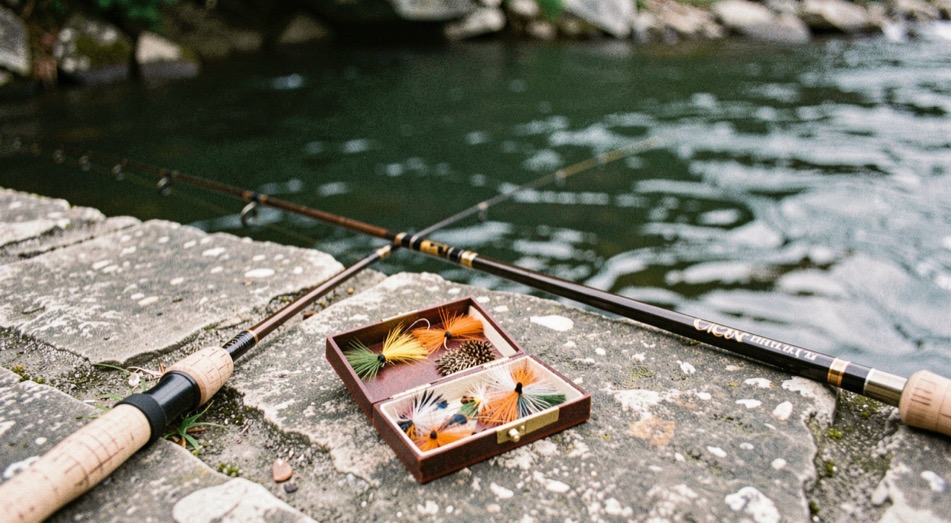
A fishing trip to Ireland asks the same packing question as a surf trip to an island: what earns its place. A nine or ten foot fly rod in a travel tube, a reel, two lines at most, a small box of patterns the beat actually fishes, and waders that have been checked for leaks before they are packed. The Moy's own notes make the point that matters here: tackle that spends a wet Mayo winter in a bag corrodes quietly, so reels get dried, lines come off to rest, and plated or sealed finishes earn their keep. Pack less than feels right and check what is packed; a working small kit beats a complete one that was never inspected.
One more honest line for the notebook: hire and guiding exist on the river, and a first day with local tuition or a beat ghillie compresses a season of trial into an afternoon, the same way a first surf lesson compresses a winter of guessing.
Permits, seasons and the honest calendar
Ireland separates permission into two layers, and both matter. The state layer is the licence: salmon and sea trout angling requires a national licence, and Inland Fisheries Ireland is the authority that issues it and publishes the rules, including the tag and logbook system for kept fish and the seasons when a river is open. The local layer is the beat ticket, bought for the stretch you actually fish. Add the season question: salmon runs build through spring and summer with the famous grilse run in early summer, while sea trout and brown trout keep their own windows, and every year the river itself decides by height and colour which days fish well.
Getting there is part of the same plan. Ballina sits on bus routes and on a branch rail line, and the town is walkable, which means a fishing trip can be built without a car if the beats you pick are near town or served by local transport. That is the same arithmetic as a surf trip built around one reliable break and a short carry.
Judge the trip honestly
A first fishing trip to a famous river is good if it leaves you able to read the second one. Count what you learned: which beat suited your method, what the licence and ticket actually cost, how the river's colour changed the day, and whether the famous pool was worth its crowd. That is the honest ledger of any water trip, and it is what makes the next one cheaper, calmer and better timed.
Pick the beat before the date, the permit before the beat, and the quiet water before the famous pool.
Common mistakes
- Booking fixed dates on a river whose fishing depends on water height and colour.
- Assuming the national licence covers the beat ticket, or the reverse.
- Choosing the famous town pool first and fishing it at its busiest hour.
- Bringing one method to a river whose rules change the permitted method by stretch and season.
- Planning the fishing and forgetting that the town, the transport and the stay are the same trip.
Boosy editorial desk · Surf safety guides
Latest articles
The same discipline that decides a day on the Moy applies before any season opens. Anglers who scout a beat in advance note water levels, bank cover and where fish hold, then log dates and counts so patterns emerge over visits. Local rules, permits and the word of those who fish the water daily should shape the plan, not guesswork. That habit of observing first is set out in this guide to reading water and cover, which treats preparation as the real start of any trip.
Travelling to fish a town water raises the same question wherever you go: what is the water actually doing today? On the Moy, beats, permits and the Ridge Pool set the rules, but reading a seam, a riffle or a pool is what decides where you cast. A companion piece on the same desk covers that ground for trout, alongside how seasons, licences and tags work and the cost of a guided day. Read it before you book anything, and you will arrive knowing which stretch suits the conditions you meet.