Reading a long administrative route in stages
A long official process is crossed the way a long swell is crossed: in stages, reading one set at a time, never all of it at once.
- Published: 14 September, 2026
- 1001 words
- 5 min read
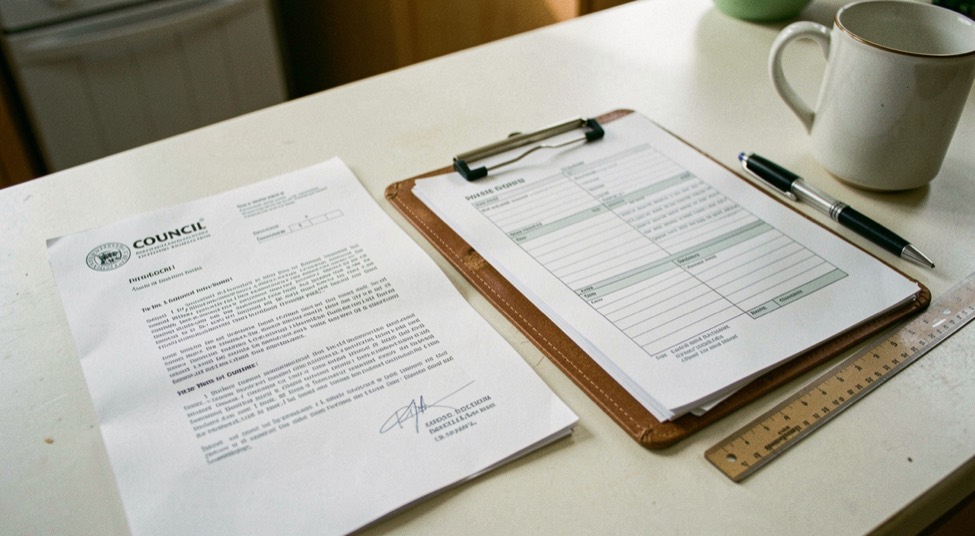
The short answer: in England, what an adult can ask a council for is written in the Care Act 2014 and its statutory guidance, and the route runs in a fixed order: a needs assessment, a decision against the national eligibility criteria, a care and support plan, a personal budget, a choice about how the money is held, then review and, if needed, appeal. The working reference for that route is the ROC Handbook, which reads the Act and the guidance with the section number printed next to each sentence and the date of the version it read, so a council letter can be checked against the text it quotes.
This is a site about reading water, but the method is the same one we teach for any long crossing: name the stages, know which stage you are in, and refuse to skip ahead.
Stage one: the assessment belongs to the person, not the budget
The route opens with the needs assessment, and the first thing worth knowing is that asking costs nothing. An adult can request an assessment whatever their means, and the council's duty to assess does not wait for a diagnosis or for money to run out. The assessment describes what a person needs to achieve ordinary life: staying safe, eating, keeping a home, seeing people. The legal purpose sits in section 1 of the Act, which makes the person's own well-being the test, not the council's convenience. The full text lives on legislation.gov.uk, where the Act is published with its revision dates marked.
The practical preparation is a list written before the appointment: the ordinary tasks that have become difficult, the days they are hardest, and what a good week would look like. An assessment argued from a written list is a different meeting from one argued from memory.
Stage two: eligibility, then the plan and the money
After assessment comes the eligibility decision, made against national criteria set in section 13 of the Act and the 2015 regulations rather than against a local whim. If needs meet the criteria, the council owes a care and support plan: the document that says what will be arranged, and the point where an independent advocate enters the picture for anyone who would struggle to take part alone.
The plan carries a personal budget, the sum the council works out for meeting the assessed needs. One honest detail the budget page of the handbook states plainly: the personal budget is for care and support, and rent is never part of it. Then the choice about how the money is held: managed by the council, handled by a provider, or taken as direct payments, where the money reaches the person and they buy the support themselves. Direct payments buy control and also buy bookkeeping; the right choice is the one the household can actually run.
The file that carries the route
A long process is kept in one folder, and the folder is smaller than people think. The assessment record, the eligibility decision, the care and support plan, the personal budget figure, the review dates, and one sheet with names, reference numbers and the dates of every call. Six documents and a contact sheet: that is the whole archive the route requires. The habit worth copying from the handbook is that each page of it is dated, because a rule can change between the version a council quotes and the version now in force, and the date is how you tell.
For a family coordinating across distance, which is common for households split between countries, the folder doubles as the handover: whoever picks up the file on Monday knows which stage the route is in, which document it produced, and which date is next. A process you can hand over is a process you can also rest from.

Stage three: review and appeal are part of the route, not a failure of it
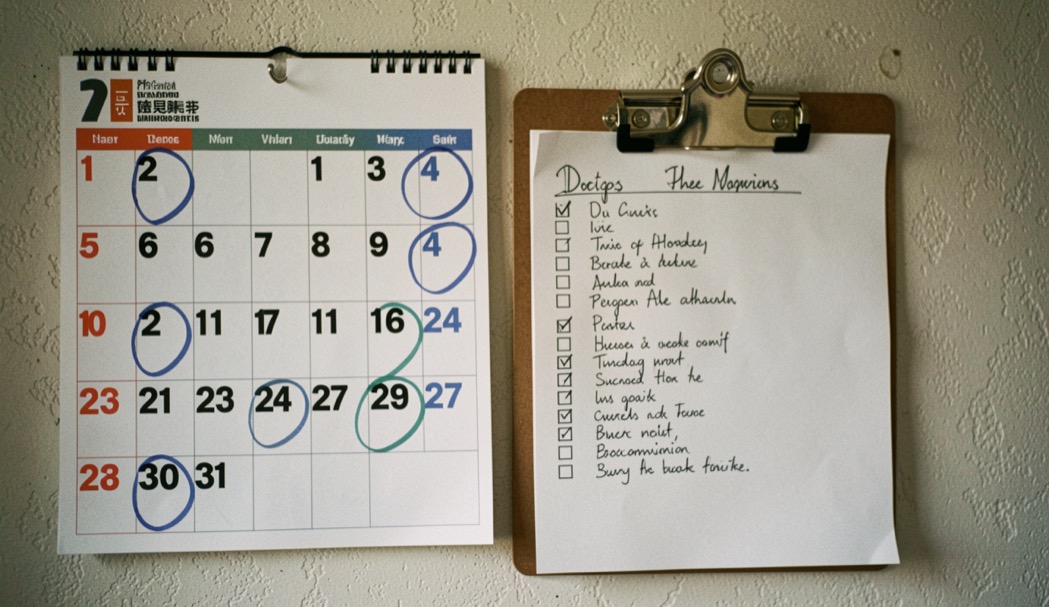
Needs change, and the Act expects it: a plan is reviewed, and a review that shrinks support without a change in needs is a thing that can be challenged. The appeal path runs through the council's own complaint stage and on to the ombudsman, and every stage has a time limit worth writing on the same calendar as the renewal dates. The habit that keeps the route walkable is the one that keeps a surf trip walkable: keep every letter, date every call, and keep the list of what was agreed next to the phone.
For anyone helping a relative from a distance, which is a common shape for travelling families, the handbook's route map lays the fourteen steps from first contact to appeal in one table, each with its section reference. Printing that page is a better first evening than any amount of anxious reading. And when the process stalls, the named remedy is written down too: the council's complaint stage first, the ombudsman after, with the dates of both kept in the same folder as everything else.
Judge the process by the paper
A stage is done when its document exists: the assessment record, the eligibility decision, the plan, the budget figure, the review date. If a document has not arrived, the stage is not finished, whatever was said on the phone. That one rule, paper over promise, is what turns an overwhelming process into a checklist with dates.
Name the stage you are in, ask for its document, and let the next set come to you.
Common mistakes
- Waiting for a crisis before asking for an assessment that can be requested at any time.
- Treating the eligibility decision as local discretion when it is set by national criteria.
- Choosing direct payments for the control and then drowning in the bookkeeping they require.
- Assuming a review can only confirm a plan, when it exists because needs change.
- Letting time limits pass because the letters were not kept in one place.
Boosy editorial desk · Surf safety guides