Horse Riding Basics for Surfers in the Cévennes
A practical guide to horse riding in the Cévennes and Gard: lessons, FFE licence, treks and trail markers, plus what a riding centre organises each week.
- Published: 14 September, 2026
- 1007 words
- 5 min read
Horse riding in the Cévennes and the Gard is organised around a simple set of building blocks: weekly lessons, a federal licence, short accompanied rides and longer treks. A beginner can start with one hour at walking pace, while a regular rider can plan several days of itinerancy with stages, nights and water points. The terrain decides the format, so the season and the ground matter as much as the horse.
What does a riding centre organise each week?
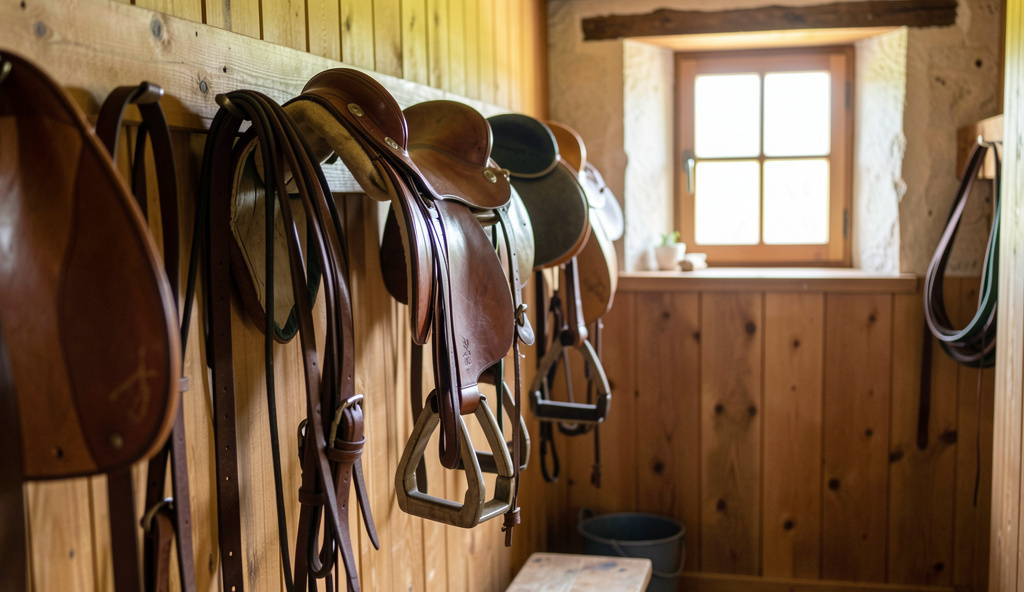
A riding centre works on a weekly rhythm. The cavalerie, meaning the horses and ponies kept on site, is matched to the slots on the timetable. Beginners usually ride in short sessions, often in a school or a closed arena. More experienced riders take longer outings on the surrounding paths. The weekly schedule covers lessons, accompanied rides and preparation time in the tack room, where saddles and bridles are checked before and after each session.
Practical details sit alongside the riding itself. A centre publishes its slots, its prices and its conditions, and a rider books a place in advance. The tack room, the arena and the stable yard are the three places where most of the week happens. Anyone curious about how this is organised around Anduze can look at the practical magazine centre-equestre-anduze.com, which documents lessons, the FFE licence, stages, rides and treks in the Cévennes and the Gard.
What is a one hour accompanied ride?
A one hour accompanied ride is the most accessible format for a first contact with a horse. The group moves at walking pace, with an instructor or guide in front. The route usually stays on easy ground, often under woodland cover, which keeps the pace calm and the footing predictable. The rider does not need prior experience. The guide sets the rhythm, checks the spacing between horses and decides when to turn back.
This format suits a first visit, a family outing or a short break in a day. It also works as a test: a rider who enjoys the hour can move on to a ten hour card or a licence, and then to longer outings. The one hour ride is a sample of the terrain rather than a performance.
How do ten hour cards and the FFE licence work?
A ten hour card and a federal licence are two different ways of paying for riding time. A ten hour card is a block of hours, used across several sessions. Each line of the price list states what the card covers: the number of hours, the validity period and the conditions of use. The rider buys time, then books sessions until the block is used up.
The FFE licence is a membership of the French equestrian federation. It covers the rider for the activities declared by the club and for the insurance attached to that membership. It does not replace a ten hour card, and it does not cover everything a rider might imagine. A licence is tied to a club and a season, so the rider should read what the club declares before signing. The two options can be combined: a card for the hours, a licence for the year.
How are Cévenol trails marked?
Trail marking in the Cévennes follows a national system. A waymark carries a colour, a shape and a support. The colour tells the rider which route is being followed. The shape, such as an arrow or a cross, tells the rider whether to continue or to stop. The support is the surface the mark is painted on: a rock, a tree, a post or a wall. Reading all three together prevents a wrong turn.
On stony paths in the foothills of the Cévennes, marks can fade or be hidden by vegetation. A rider should carry a map and check the mark at each junction rather than at the last one. The same system applies on foot, on horseback and on a mountain bike, which is why the marks are consistent across the region.
How do you prepare a multi day horse trek?
A multi day trek is a small project. The rider plans stages, nights, water and saddlebags before leaving. Stages are kept short enough for the horses, with a known stopping point each day. Nights are booked in advance, whether in a gîte, a farm or a field. Water is the critical item: horses drink a lot, and a Cévenol plateau in summer offers few reliable sources.
Saddlebags carry only what is needed for the rider and the horse. A spare set of clothes, a first aid kit, a hoof pick and a halter are standard. Feed is arranged with the accommodation or carried in part. On a high altitude meadow at dusk, the pace slows and the day ends with the horses settled before the riders eat. The preparation is what makes the difference between a hard day and a good one.
What does the FFE licence actually cover?
The FFE licence covers the rider within the framework declared by the club. It includes the insurance linked to that membership and access to the activities the club registers. It does not cover riding outside that framework, and it does not cover a horse the rider owns unless the club declares it. The licence is personal and valid for a season.
A rider should ask three questions before signing: which activities are declared, what the insurance includes, and what happens in case of an incident. The answers are written in the club documents, not guessed. A licence is a contract, and reading it takes a few minutes.
Why does the terrain come before the explanation?
In the Cévennes and the Gard, the ground decides the ride. A stony path, a woodland track and a high plateau each demand a different pace and a different shoeing. A route that works in early summer may be too dry in late summer. A ride that suits a beginner in a valley may not suit the same rider on a slope.
This is why each route is described with its place, its nature and its season. A tack room morning, a woodland ride and a plateau at dusk are three different experiences. The rider who reads the terrain first chooses better and rides safer. The horse, the guide and the weather complete the picture.
What should a first time rider expect?
A first time rider should expect a calm introduction. The guide explains how to approach the horse, how to hold the reins and how to sit. The rider wears long trousers and closed shoes, and avoids loose clothing. A helmet is provided or required. The session starts at walking pace and stays there.
Nervousness is normal and does not disqualify anyone. The horse reads the rider, so a quiet voice and slow movements help. After one hour, most beginners know whether they want a second session. That is the purpose of the format: a low commitment, a real contact with the animal and a first look at the Cévenol landscape from the saddle.